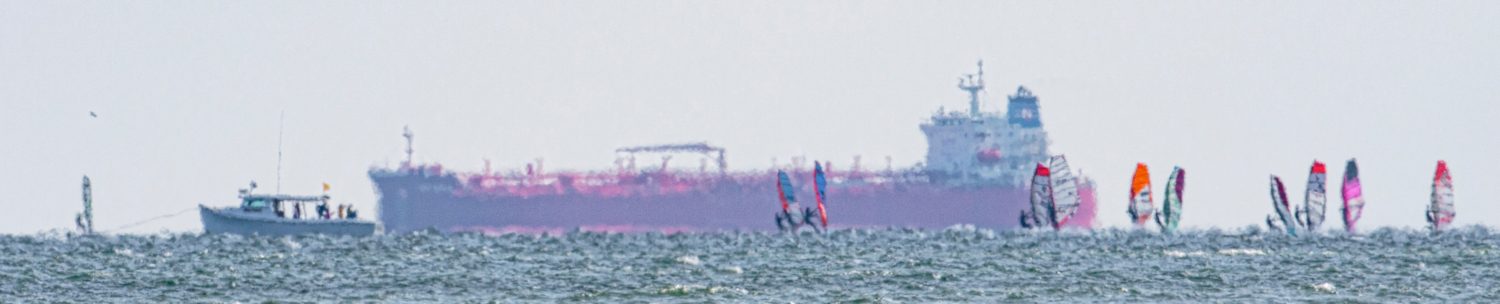
A Week of Perfect Windsurfing: My Experience at the 2025 Festival de Velas de Maragogi
By Eduardo Rodrigues
Can you imagine sailing every single day in late November, in warm water and without a wetsuit, with steady 12–18 knots, on flat water protected by a reef, with exotic food on shore, incredibly welcoming people — and all at a very favorable exchange rate?
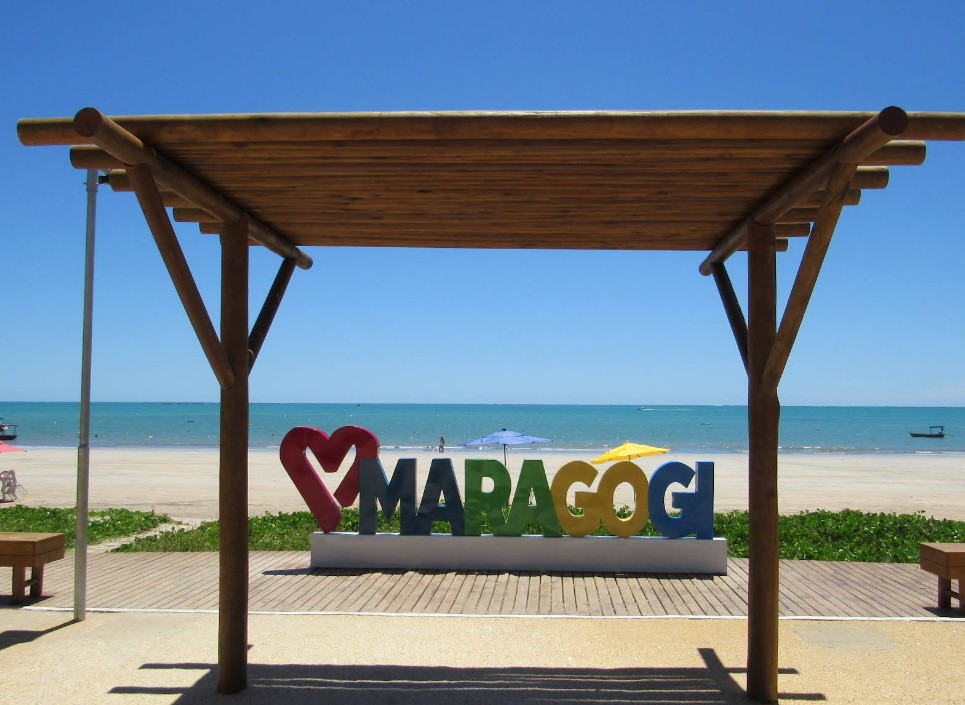
That’s Maragogi, Brazil, for you. Late last year (November 20-23, 2025), I attended the 4th edition of the Festival de Velas de Maragogi, on the gorgeous ‘Coral Coast’ in the northeastern part of the country, and the whole experience is still glowing in my head, so I wanted to share it all with you — not just as a regatta, but as a sailing destination.
A little about me
For those who don’t know me, I’ve been windsurfing for about 12 years. I’m almost 50 years old, and I started relatively late — around 38. The passion was always there, but life only allowed me to truly begin then. I started on a Kona board, soon started racing, and eventually gravitated toward foiling. For the past several years, I’ve been exclusively foiling, not because I have anything against fin sailing — I enjoy it — but because foiling fits my sailing style and goals. In Florida, it maximizes my time on the water.
Why I went to Maragogi
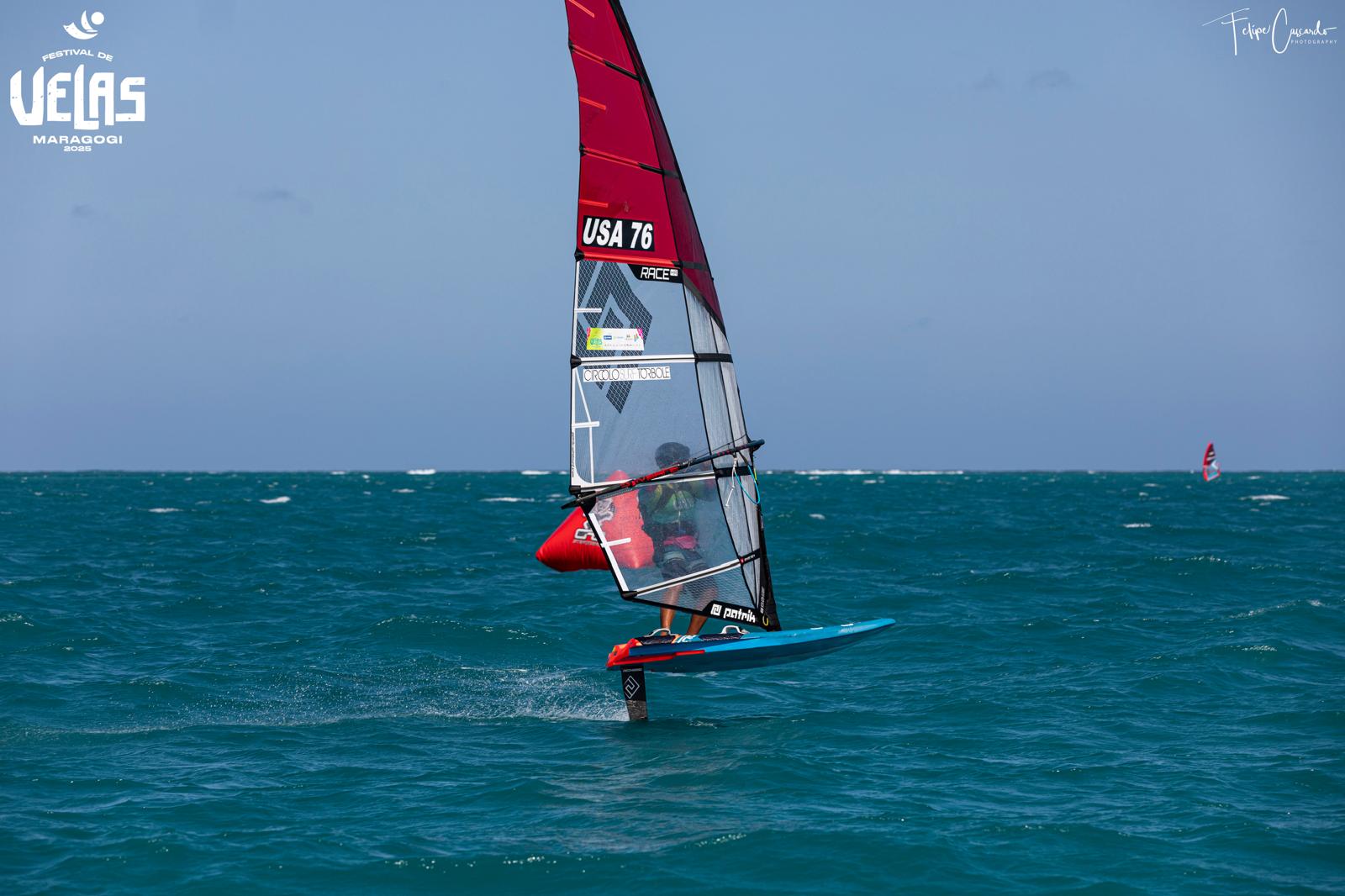
I went to Maragogi to windsurf at the Festival de Velas, which also counted toward the South American Windsurfing Championship rankings, so I was expecting to meet some excellent sailors, meet old friends and make new ones.
I’ve participated in a few windsurfing events over the last decade — mostly in Florida (Miami, Clearwater, Jacksonville, Islamorada), but also in Brazil (Buzios), Croatia (Viganj), and Italy (Lake Garda). The goals when I travel to those events are to have a great time, improve my sailing, and discover new venues. Maragogi delivered on all three — and then some!
The venue: a windsurfer’s playground
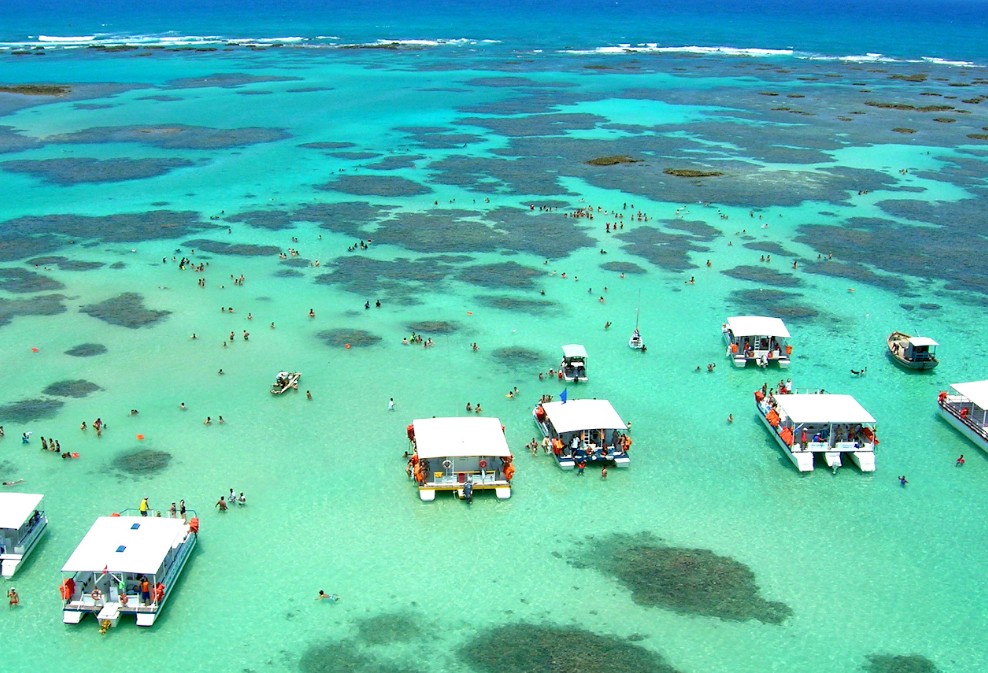
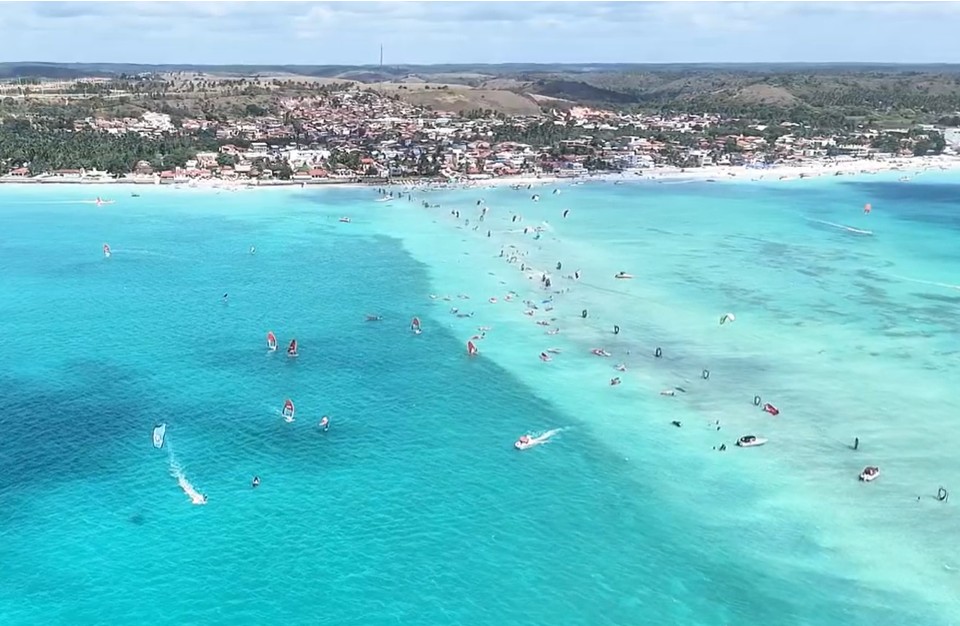
What impressed me most had nothing to do with the scoreboard — it was the peculiarities of the venue itself, compared to the other venues I’ve been to. Maragogi offers a huge sailing area inside a reef barrier. When the tide is low, the water is incredibly flat. When the tide rises above the reef, you get some small waves — fun, manageable, and never intimidating.
The wind there is remarkably steady, typically 12–18 knots almost every day, which means you can actually plan sessions instead of chasing forecasts. This is a place I would strongly recommend even without a regatta!
The festival: size, organization, and flow
What truly blew my mind was the scale and organization of the event. They were running multiple regattas simultaneously, including Raceboards, Windsurf Formula Fin, Formula Foil, Wingfoil, Kitesurf Hobie Cats, and even Jangadas (traditional fisherman sailing boats).
My biggest concern going in was spending too much time waiting on shore. That never happened, even with hundreds of competitors on the water. The organization was outstanding — downtime was minimal, water time was maximized, and we ended up completing 17 races, plus a long distance race that counted double.
That level of efficiency is rare. The event was conceived and organized by several folks but primarily by Marcelo Lacerda, an ex-vice world champion in windsurfing and the president of the windsurfing association of Alagoas. Super nice person with great vision for our sport!
The long distance race: a highlight
One of the absolute highlights of the festival is how much importance they place on the long distance race, always on the last day of the event, normally a Sunday. The organizers synchronized the long distance with the low tide, which meant that when the fleet finished, everyone gathered on the exposed sandbar. Sailors from all classes hanging out together, relaxing, rehydrating, talking about the race — it was genuinely special.
This year’s long-distance race was essentially a giant downwind slalom, with clearly visible marks, easy, fast roundings, a massive starting line, and a steady 14–18 kt breeze with occasional gusts near 20.
Pure fun, fast, safe, and unforgettable.
Travel, stay, and life on shore
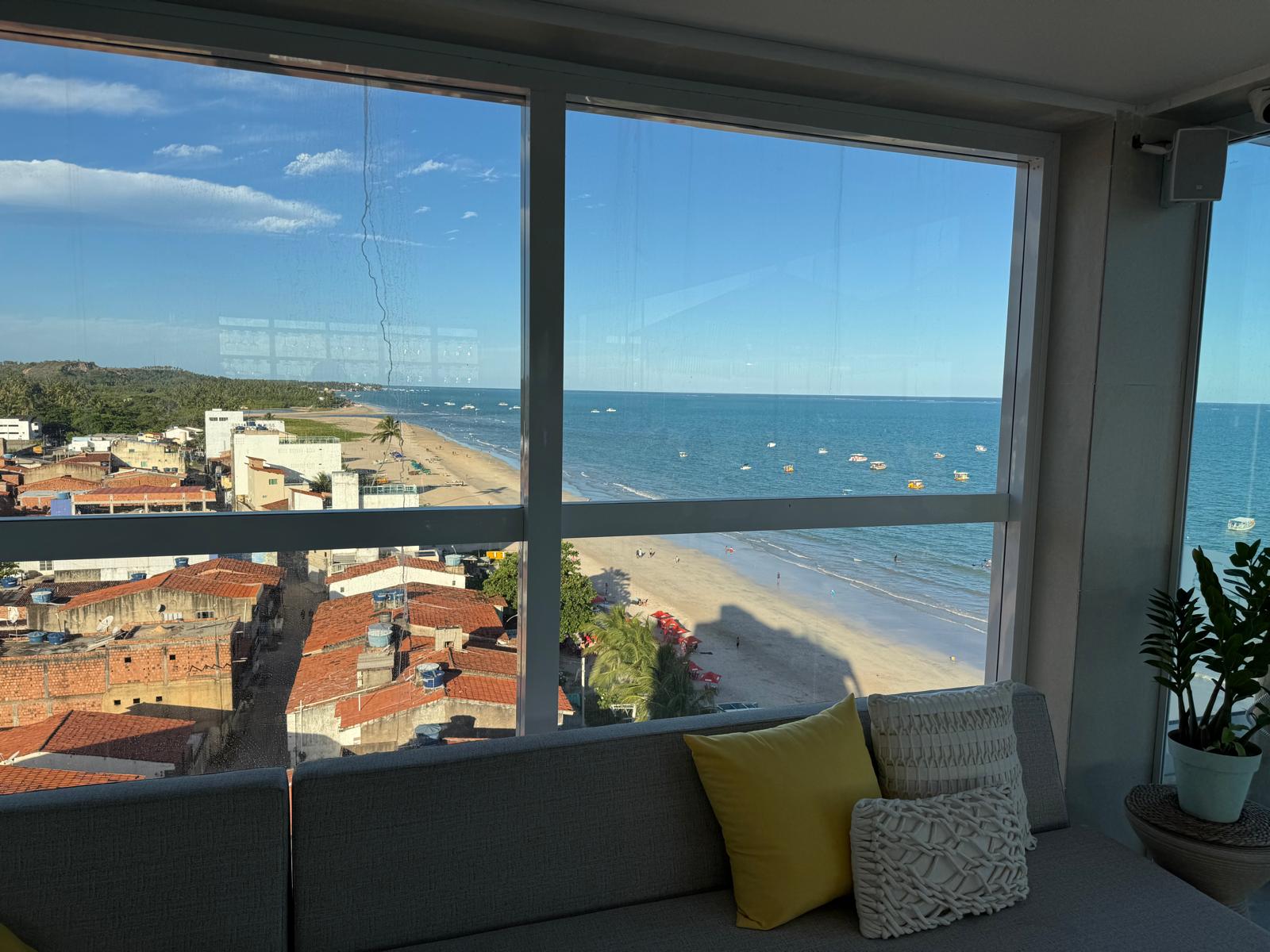
For those unfamiliar with Maragogi, it’s located in the state of Alagoas, known for some of the most beautiful beaches and clearest water in the whole country. I flew into Recife (REC), rented a car, strapped my gear to the roof, and drove about 2.5 hours south — an easy, scenic drive. There are many lodging options. I stayed at the Ibis Maragogi, which was comfortable, well-located, and had a beautiful view.
The exchange rate is very favorable, making the trip significantly less expensive than Europe or many Caribbean destinations. Everything felt safe, relaxed, and welcoming.
The food deserves special mention: Excellent seafood, traditional Brazilian dishes, and a social scene that the organizers elevated with group dinners, parties, and events. Honestly, it felt like what people describe as the golden years of windsurfing.
Results
This local article has all the results.
I learned a great deal at the event and left stronger than I arrived. My tacks and jibes improved, I had some great mark roundings, made some mistakes, passed a few sailors, got passed by others. Exactly how it should be.
Most importantly: I had a blast!
Why Brazil should be on your map in 2026 and beyond
Maragogi is emerging as one of the most reliable and rewarding windsurfing destinations in South America. With consistent trade winds, reef-protected flat water, and warm conditions. With growing international interest but still uncrowded waters, 2026 is a prime moment to experience Maragogi before it becomes more mainstream.
If you’re a US windsurfer looking for consistent 12–18 knot winds, flat and fast water, warm sailing without wetsuits, excellent value, and a welcoming sailing culture, Maragogi deserves a spot at the very top of your list.
More Brazil on the horizon for me: In September 2026, the world formula fin and foil championship will be held in Guarapari, further south. I hope to attend and plan to report back right here!